
A realistic way to put yourself first, even when you’re worn out.
Feeling exhausted stinks.
Some days you’re crushing it and feel on top of the world, with everything ticked on your to do list. And even daring to book a late afternoon fitness class.
Yet on others, just putting your clothes on in the morning is a chore, and the thought of facing the day ahead makes you wanna cry.
Your brain might be racing but it’s difficult to focus on anything and your body has had enough. All you wanna do is lay down in the hopes the tiredness will just go away. But that brings with it guilt and other unpleasant feelings.
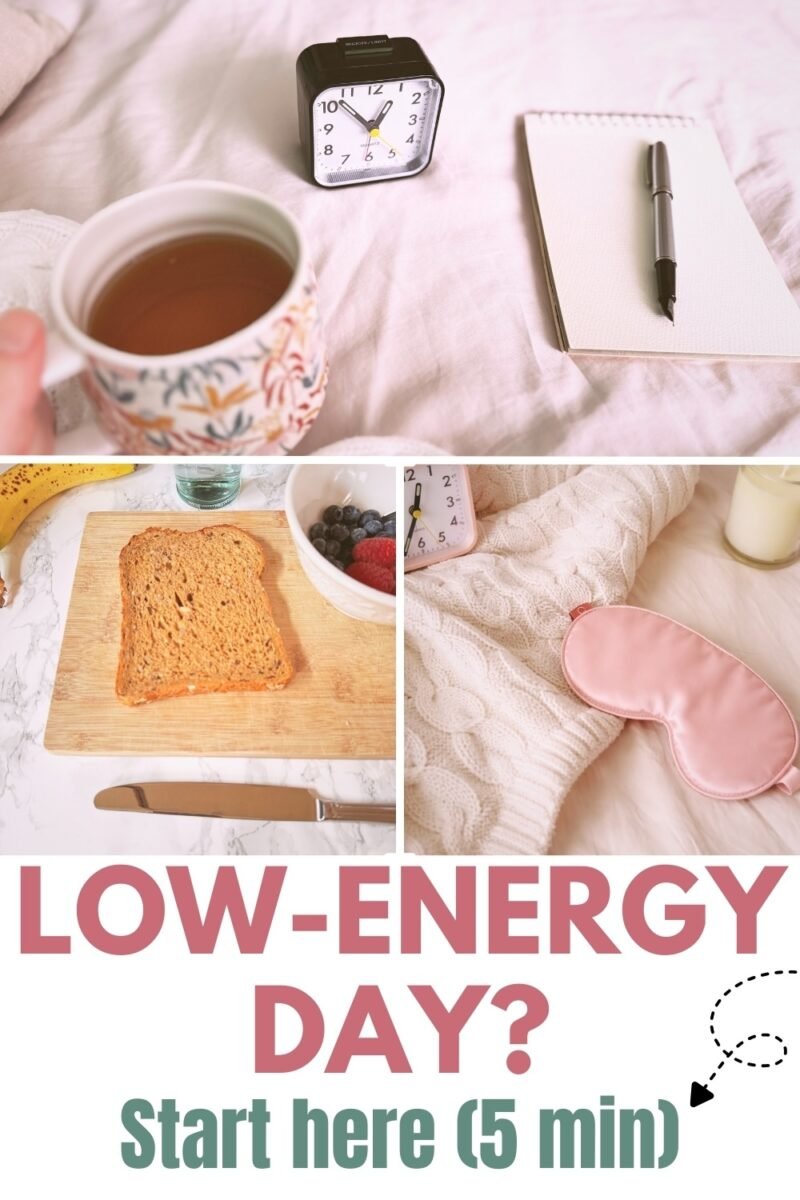
Truth is, you’re not being lazy, you’re simply overwhelmed.
And I can totally relate.
I’ve had my fair share of fatigue, having lived with it for the past 10 years. Annoyingly, the root of it has never been identified, although stress might have had something to do with it.
Going back to my usual everyday activities (exercises and routines) took some doing, which I had to take gradually. I even had to adjust my work hours to stay within my energy limits.
What I’ve learned is that peace doesn’t come once you’ve accomplished everything. It is a prerequisite.
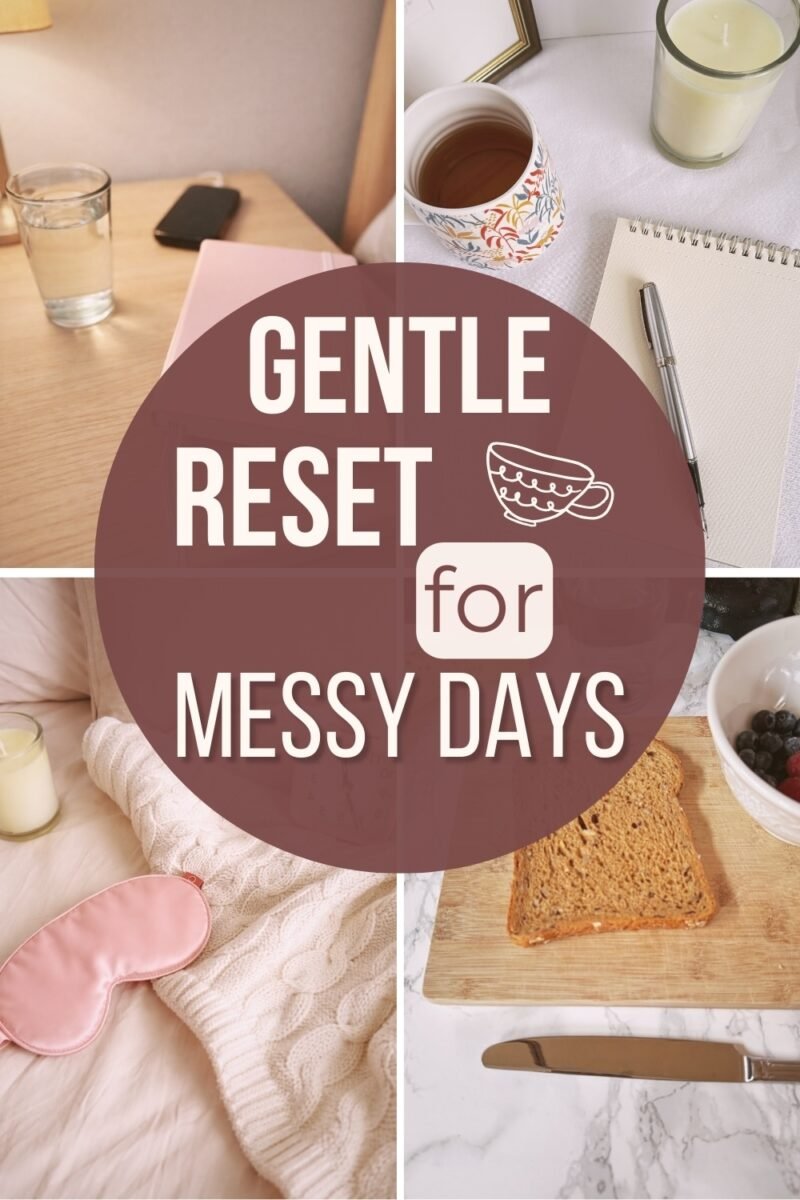
Let’s look at a self-care at home plan for those days when you need it most.
Forget hustle and glow-up. Let’s just go steady.
Please note: if your fatigue is persistent it’s worth seeking medical advice.
Here’s where to start when you’re drained

When exhaustion sets in, it’s tempting to want to think your way out of it. Instead, it’s better to focus on grounding your body and doing a quick reset.
This can be anything like water, food, deep breathing or light as long as it doesn’t make you feel worse.
This is not fluffy self-care, it’s covering the basics so that everything feels a bit more doable.
Try this 5-minute “minimum viable” reset (3–5 steps)
- Have a full glass of water, aim for 8–16 oz, as fatigue can be mistaken for dehydration.
- Eat something simple within 10 minutes. Nutritious choices include toast with peanut butter, yogurt, soup, eggs. Whatever’s the easiest for you.
- Try deep breathing for 2 minutes by slowly inhaling, then even slower exhaling. This can really bring down stress levels.
- Reduce the sensory noise: dim lights, place your phone face down, clear a small space.
- Help out “future you”: prepare your outfit for tomorrow or put a single laundry load in the basket.
And yes, if you can only do the bare minimum on these low energy days, they still count as wins.
Need a quick pick me up? This energy stack should do the trick.
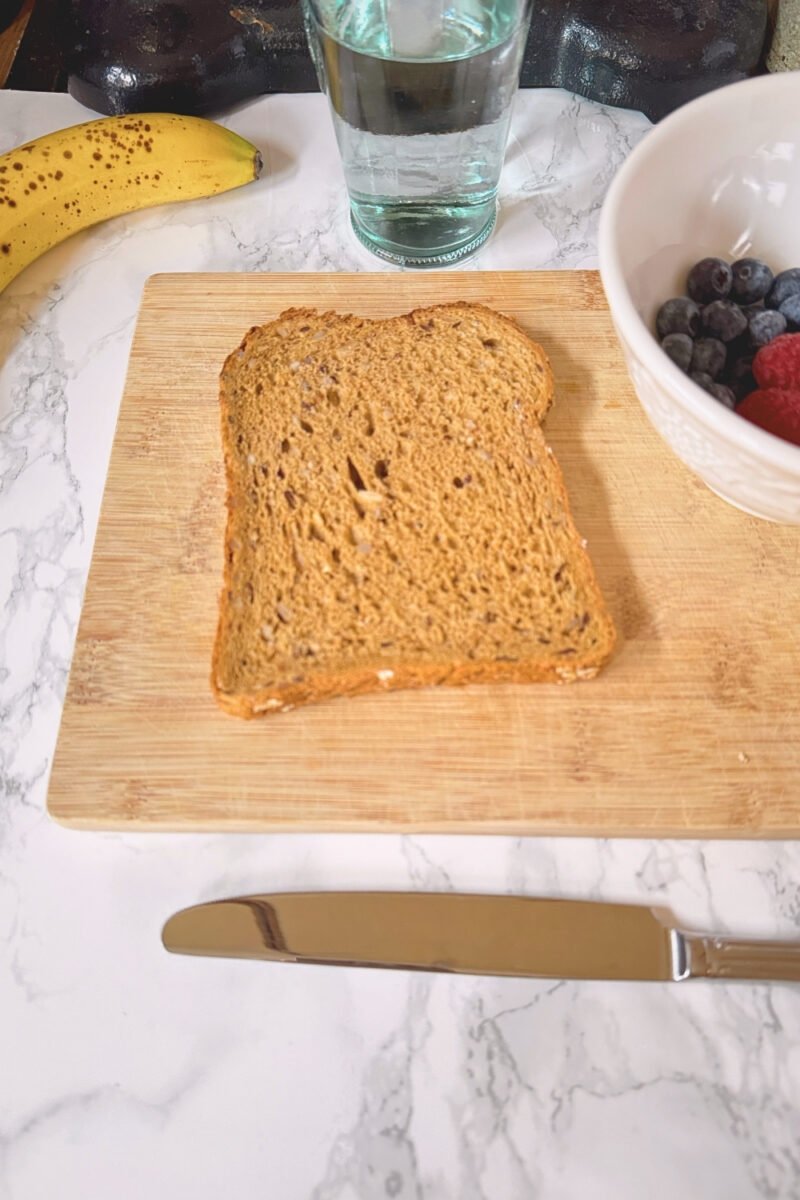
Here’s an example combo of how to amp up your energy: stay hydrated, eat a good snack, and get some fresh air or light movement. Think of it as getting functional, rather than trying to fix everything.
You can also try a calming tool if stress is taking over your body.
This is more effective than exerting more effort, going without food, or using a sugar rescue.
Choose 2–3 from the below:
- Protein and fiber snacks, such as nuts, Greek yogurt, hummus, eggs, or similar foods, help keep a constant energy level.
- Walk for ten minutes or stretch gently (yes, even slowly). Being active can make you more vigilant.
- For two minutes, let in some natural light and air by opening a window or going outside.
- Breathing and grounding: Try a basic breathing pattern or 5-4-3-2-1 grounding if your “low energy” is actually anxiety. (See more about breathing exercises here)
Napping (it sounds counterintuitive, but it works)

If your body is feeling sluggish and in need of a restart, taking a short nap of 20-30 minutes can be beneficial, especially if you’re able to do it earlier in the afternoon. Just make sure to set a timer so you don’t end up oversleeping and waking up groggy.
This is definitely one of my most effective reset buttons for when I’m experiencing bad fatigue.
Go to bed early (if you can)
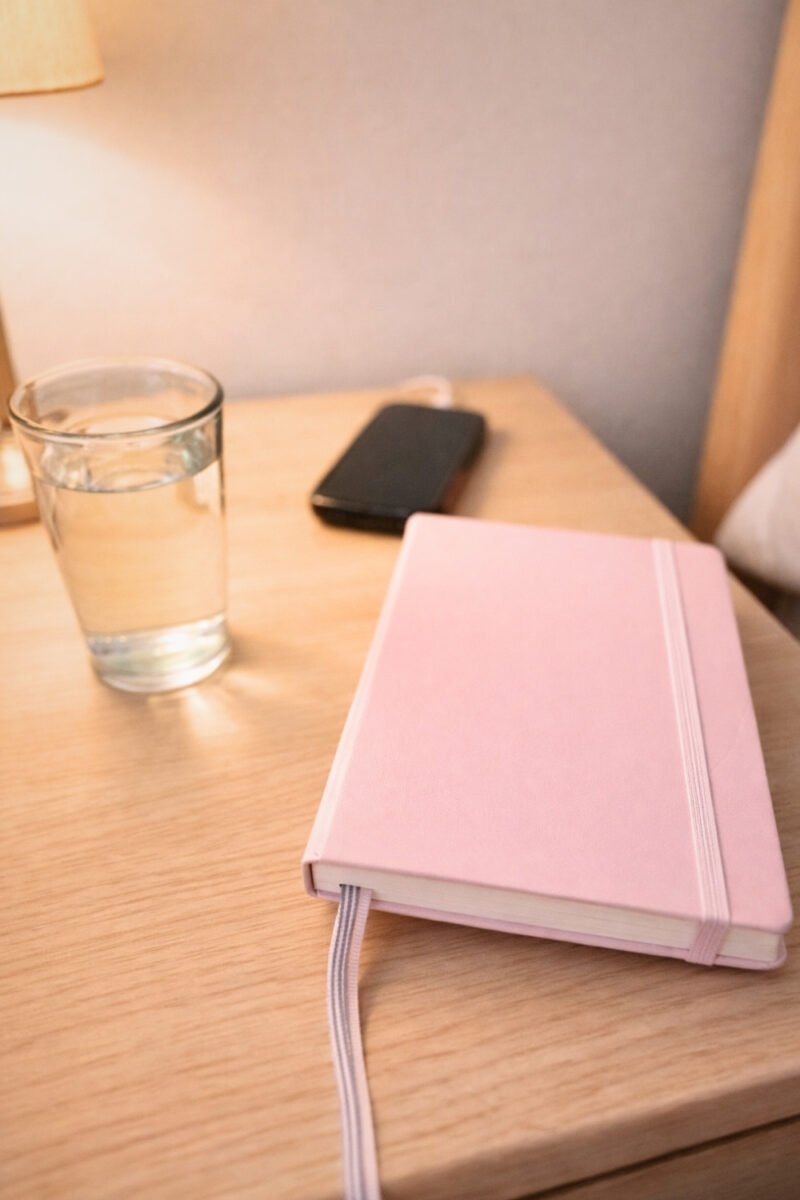
When you’re feeling overwhelmed and fatigued, try setting an earlier bedtime of anywhere between 30 minutes to an hour. Going to sleep earlier won’t make all your problems go away, but it can prevent one bad day from snowballing into several others.
The CDC suggests keeping track of your sleep habits, including naps, as they’re key in understanding fatigue patterns.
If early sleep isn’t an option due to kids, work hours, or insomnia, then consider winding down a bit earlier instead. Reducing stimulation is self-care too.
The 4 P’s: a simple way to deal with fatigue daily
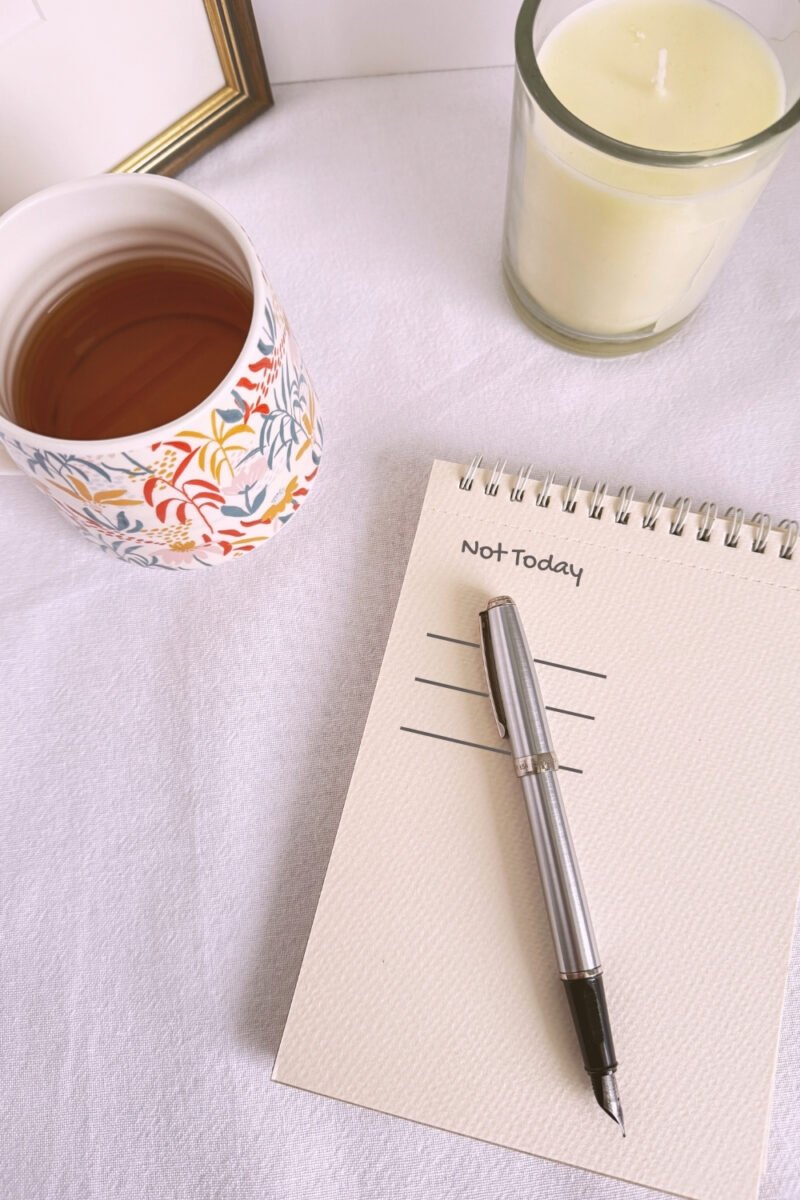
You may have heard of a method of conserving energy called the 4 P’s, which stand for Prioritize, Plan, Pace, and Permission.
It’s an easy way to help you determine what matters to you most, removing pointless effort, and taking a break to avoid burnout in the future.
So you can focus today’s energy on what really counts, and not on doing more.
Using the 4 P’s IRL
- Priorities: Which tasks must be done today? Is there any you can move to tomorrow?
- Plan: batch similar jobs together instead of returning to the same place multiple times, such as completing kitchen tasks in the same session.
- Pace: to stop tiredness taking over, break tasks into smaller manageable chunks, and working on them for just 10 minutes at a time. Take a rest, and then repeat.
- Permission: Be okay with taking breaks, consider asking for help if possible, and be kind to yourself about what you cannot manage today.
This is the difference between an idealized self care routine and one that is actually doable during times of fatigue.
A note on self-love

Practicing self love on low-energy days often looks like saying no to a lot of things. You may need to drastically lower your expectations, and choose the smallest version of your self care routine.
If some things don’t get done, that can be the healthiest decision you make all day.
FAQs
What are the red flags for fatigue?
Look out for symptoms such as unusual tiredness that lasts for weeks, and interferes with your daily life. If you’re also experiencing unexplained weight loss, changes in mood, or shortness of breath, it’s best to contact your doctor.
Fatigue can happen for many reasons, from simple things to serious conditions needing attention.
What to try in 3 steps:
For 7–14 days, track fatigue symptoms as well as logging sleep, stress, eating, menstrual cycle, and/or workload to see if there’s a clear pattern.
Schedule an MD visit if your fatigue is chronic or worsening.
Share your notes with the doctor on what lab tests they recommend.
What are signs of burnout?
Burnout is more than fatigue. It’s related to ongoing stress at work, where you feel drained and mentally distanced from your job. As a result, your levels of productivity are reduced.
A quick test: rest solves normal tiredness. That’s not the case with burnout. Even long periods of rest don’t relieve or impact that weariness.
What to do (3–5 steps):
For 1–2 weeks, intentionally reduce inputs (meetings, expectations, and commitments) where possible.
Increase recovery blocks (take a walk, a power nap, go to bed earlier).
Talk with your manager, HR, or clinician about work demands that feel unmanageable.
Re-establish the foundations first: sleep, eating, moving, and limiting inputs.
What vitamin deficiency causes fatigue?
A variety of deficiencies can lead to fatigue, including iron, B12, magnesium and D. Getting tested for deficiencies is always helpful for consistent fatigue, after which you may try supplementing. A clinician or pharmacist should be able to guide you on what to take.
Helpful Resources (Trusted & Evidence-Based)
-
Breathing exercises for stress (NHS)
NHS: Breathing exercises for stress -
When fatigue may need medical support (NHS)
NHS: Tiredness and fatigue -
Self-help tips for fatigue (NHS)
NHS: Self-help tips to fight fatigue -
Healthy sleep habits (CDC)
CDC: Healthy sleep basics -
What “burnout” means (WHO)
WHO: Burn-out as an occupational phenomenon -
Common nutrient links to tiredness (NIH)
NIH Office of Dietary Supplements: Fact sheets (B12, iron, vitamin D)